Melbourne Beyond 5 Million, Revisited
Melbourne Beyond 5 Million
In 2010, Committee for Melbourne, in conjunction with its members, released a series of reports called Melbourne Beyond 5 Million.
The report – borne out of concern about the emerging issues facing our fast-growing city and the short term, fragmented, partisan solutions being applied – considered which areas would need to be addressed as Greater Melbourne grew towards a population of 5 million.
In 2010, Committee for Melbourne held fears that accelerated population growth could lead to:
- congestion
- urban sprawl
- affordability issues
- social issues
The fears that were mooted then by the Committee are now widely voiced by the community and there is a sense of not keeping pace with our growth.
With Melbourne having now reached a population of 5 million ahead of all predictions, having lost our ‘Most Liveable City’ mantle, we reflect on where Melbourne is at and how we can manage our future.
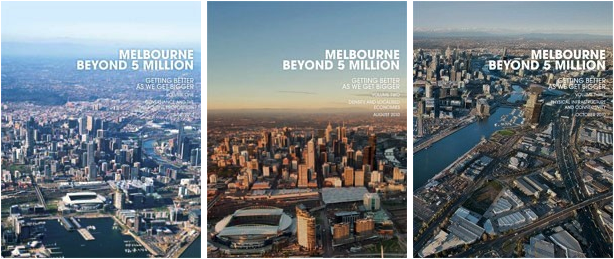
Melbourne Beyond 5 Million Revisited
Melbourne is a success story: it is an attractive city where people want to live and do business, but with this success comes ever-increasing challenges. While much has been done in the past eight years to plan for a bigger city and to invest in infrastructure, we are not keeping up. Marvellous Melbourne is at a tipping point, potentially threatening our prosperity and liveability.
Melbourne is fast becoming an economically polarised city, a place of ‘haves’ and ‘have nots’, driven by our geographical size, housing options, and access to transport, utilities, services and amenities.
Committee for Melbourne is calling for a ‘One Melbourne’ paradigm to guide our future. ‘One Melbourne’ would require fundamental changes in the way we plan, manage and fund our city’s growth.
If we are serious about having ‘One Melbourne’ we need to:
- Introduce Metropolitan-wide management, such as a Greater Melbourne Commission, that is empowered to act in the interests of Greater Melbourne.
- Develop a 50-year public transport blueprint that integrates transport with land use and economic planning.
- Have sustained investment in infrastructure, that allows industry to gear up for a major sustained pipeline of projects.
- Ensure an equitable energy future for residents, business and industry, providing affordable, reliable, dispatchable and environmentally responsible power provision. Find out more
- Deliver affordable living solutions that go beyond affordable housing.
- Create a meaningful polycentric city, with Melbourne as the global centre of excellence in Liveable Density, demonstrating solutions in medium density development that retain the city’s soul while accommodating major growth.
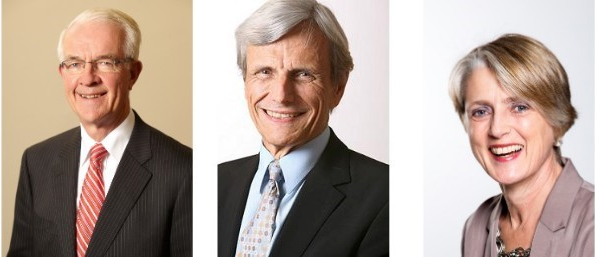
Melbourne Beyond 5 Million was authored in 2010 by then Committee for Melbourne Board Directors Tom Fricke, Roger Poole and Pru Sanderson.